Anti-Bullying Week 2026 assembly ideas
Anti-Bullying Week 2026 assembly ideas for primary and post-primary schools using the Break the Silence theme.
Read the guideSchool resources
Practical anti-bullying guidance for school leaders, pastoral teams and teachers across Northern Ireland and Ireland. Start with Anti-Bullying Week 2026, then move into assemblies, lesson plans, parent communication, policy review and online safety.
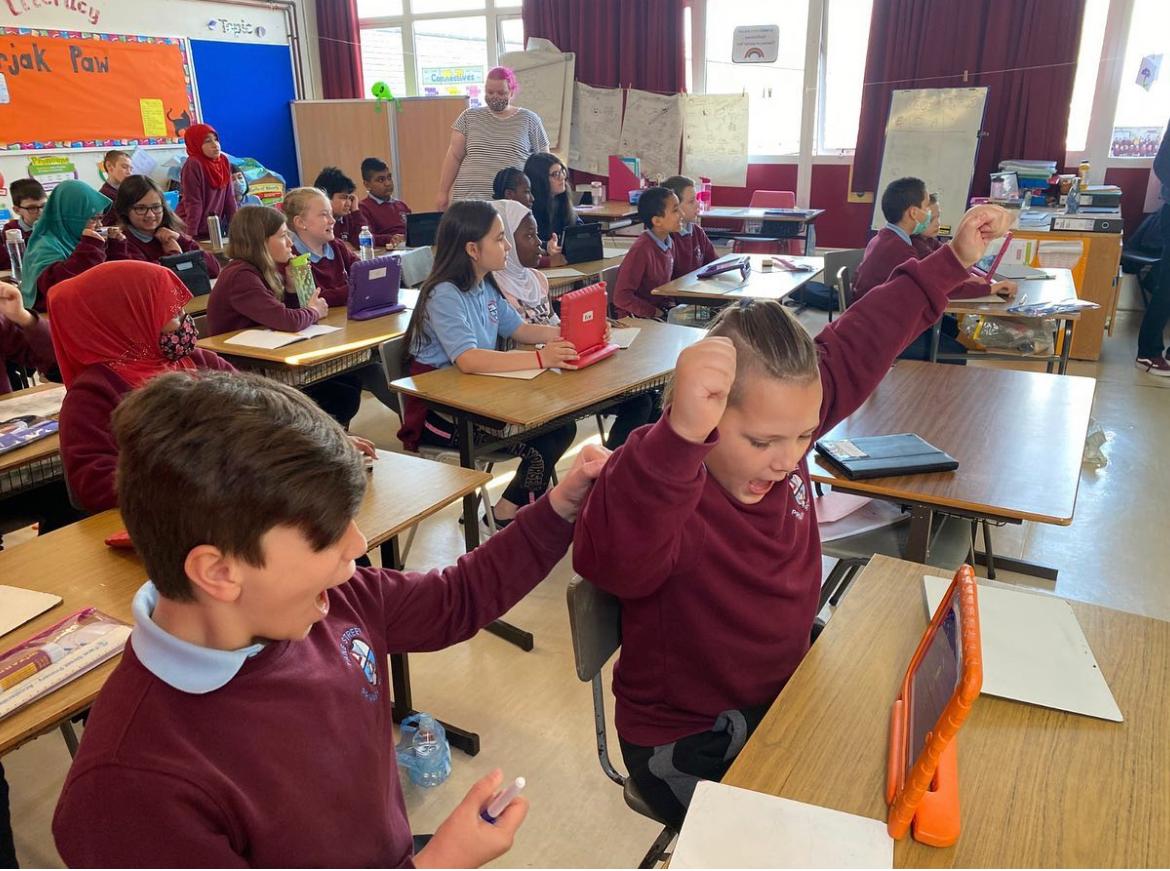
Anti-Bullying Week 2026 assembly ideas for primary and post-primary schools using the Break the Silence theme.
Read the guideAnti-Bullying Week 2026 primary school activities for kindness, friendship, trusted adults and safe reporting.
Read the guideAnti-Bullying Week 2026 post-primary activities for bystanders, group chats, social pressure and reporting routes.
Read the guideOdd Socks Day 2026 assembly script for schools, with a simple structure linked to Anti-Bullying Week and Break the Silence.
Read the guideA KS2 anti-bullying lesson plan for friendship, repeated behaviour, trusted adults and bystander support.
Read the guideA KS3 anti-bullying lesson plan for bystander choices, group chats, peer pressure and reporting routes.
Read the guideCyberbullying lesson plan for schools covering group chats, screenshots, online escalation and safe reporting.
Read the guideBystander activities for Anti-Bullying Week that help pupils support peers safely without escalating harm.
Read the guideAnti-bullying policy review questions for Northern Ireland schools preparing for policy review or Anti-Bullying Week.
Read the guideBí Cineálta policy review questions for Irish primary and post-primary schools implementing the procedures.
Read the guideParent letter template for Anti-Bullying Week 2026, explaining activities, reporting routes and school support.
Read the guidePupil voice anti-bullying survey questions for schools reviewing reporting routes, safety and campaign impact.
Read the guideGroup chat bullying guidance for schools, including screenshots, exclusion, bystander choices and reporting routes.
Read the guideAnti-Bullying Week staff briefing template for schools covering theme, reporting routes, language and follow-up.
Read the guideRestorative questions after a bullying incident, with cautions for schools using repair-focused conversations safely.
Read the guideAnti-bullying workshop ideas for schools, plus details of HIP Psychology’s live online P4-P7 Anti-Bullying Week workshop.
Read the guideAnti-Bullying Week display board ideas that reinforce reporting routes, pupil voice and the Break the Silence theme.
Read the guideAnti-Bullying Week 2026 planning checklist for assemblies, lessons, Odd Socks Day, staff briefing and follow-up.
Read the guideA practical anti-bullying policy review for the new school year, covering reporting routes, recording, pupil voice, staff confidence and follow-up.
Read the guideUse a safe pupil voice survey before the new school year to review belonging, reporting routes, bystander confidence and school support.
Read the guideA practical first-month anti-bullying staff briefing covering shared language, reporting, online behaviour, safeguarding and follow-up.
Read the guideA practical parent communication plan for anti-bullying support at the start of the school year, including reporting routes and follow-up.
Read the guidePractical friendship and belonging activities for the first weeks of school, helping pupils connect, include others and seek help safely.
Read the guideHelp pupils and families prepare for group-chat pressure, screenshots, online reporting and safer digital communication at the start of term.
Read the guideUnderstand physical, verbal, relational, prejudice-based and online bullying with clear primary-school examples and safe reporting guidance.
Read the guideUnderstand covert bullying in schools, with subtle examples, possible signs, careful investigation steps and practical ways staff can respond safely.
Read the guideExplore how bullying can affect pupils, attendance, learning, friendships and school life, with practical steps for safe follow-up.
Read the guideEight practical anti-bullying activities for primary schools covering bullying versus conflict, trusted adults, bystanders and reporting routes.
Read the guidePlan an anti-bullying assembly for primary schools with a clear script, trusted-adult message, class follow-up and safe boundaries.
Read the guideA practical school anti-bullying policy guide covering definitions, reporting, recording, consultation and review across NI and ROI.
Read the guidePossible signs of bullying for school staff, with calm check-in questions, pattern spotting and practical reporting guidance.
Read the guideA clear, age-appropriate way to explain what bullying is to primary pupils, what it is not and when to ask a trusted adult for help.
Read the guideHelp primary pupils understand the difference between bullying, conflict, disagreement and one-off unkind behaviour without minimising harm.
Read the guideA practical first-response guide for school staff when a pupil reports bullying, covering listening, recording, safety and follow-up.
Read the guideHelp primary pupils understand the difference between teasing and bullying, while taking repeated harm and every request for help seriously.
Read the guideA clear guide to reporting bullying at school for pupils and families, including what to record, who to contact and how to follow up.
Read the guideCalm, practical steps for parents when a child is accused of bullying at school, including listening, boundaries, school communication and repair.
Read the guideWhat verbal bullying means in primary school, with examples, signs, the difference from teasing and practical steps for a safe school response.
Read the guideWhat social bullying means at school, including repeated exclusion, rumours, group pressure, warning signs and practical ways schools can respond.
Read the guideUnderstand what power imbalance means in bullying, how it can change between situations and how primary schools can teach it safely.
Read the guideSix anti-bullying worksheet ideas for primary schools covering bullying versus conflict, trusted adults, bystanders, online behaviour and help-seeking.
Read the guidePractical steps schools can take to prevent and stop bullying, from clear definitions and safe reporting to consistent response, pupil learning and follow-up.
Read the guideDownload four free A4 anti-bullying posters for primary schools, plus practical poster ideas about bullying, conflict, trusted adults and bystanders.
Read the guideP4-P7 · Live online · November
Help pupils understand what bullying is, how it differs from everyday conflict and disagreement, and what to do when bullying happens.