A simple definition children can understand
Bullying is harmful behaviour that is repeated, or could be repeated, and involves a difference in power that makes it difficult for someone to stop what is happening. That power might come from a group, popularity, age, confidence, physical strength or control of an online space.
Schools should connect this child-friendly explanation to the definition and procedures that apply in their region. The purpose is not to make children memorise legal wording. It is to give them enough clarity to notice a pattern and tell a trusted adult.
Use concrete, age-appropriate examples
Examples might include a group repeatedly excluding the same child, hurtful nicknames that continue after someone has asked for them to stop, threats, damage to belongings or upsetting messages that are repeatedly sent or shared.
Keep examples fictional and avoid asking pupils to describe live incidents in front of the class. Children should always be given a private route to speak afterwards if the lesson reminds them of something personal.
Explain what bullying is not
Friends can disagree, fall out or make an unkind choice without the situation necessarily being bullying. Those experiences can still hurt and still need adult help. The difference is useful because the right response depends on what has happened, whether there is a pattern and whether one child is finding it difficult to make the behaviour stop.
Avoid telling children that something does not matter because it is not bullying. A better response is: we will take the behaviour seriously, work out what is happening and choose the right next step.
Give pupils words for asking for help
Children do not need to decide the label before telling an adult. Useful phrases include: something keeps happening and I need help; I am worried about another pupil; and I do not know if this is bullying, but it is upsetting me.
Explain what a trusted adult will do: listen, ask only the questions needed to understand the immediate situation, record or share the concern through the school route and explain what happens next.
Reinforce the explanation after the lesson
Repeat the same language in assemblies, classroom activities, parent communication and the school reporting route. A short sorting activity using fictional situations can help pupils distinguish kindness, conflict, one-off harm and repeated bullying behaviour.
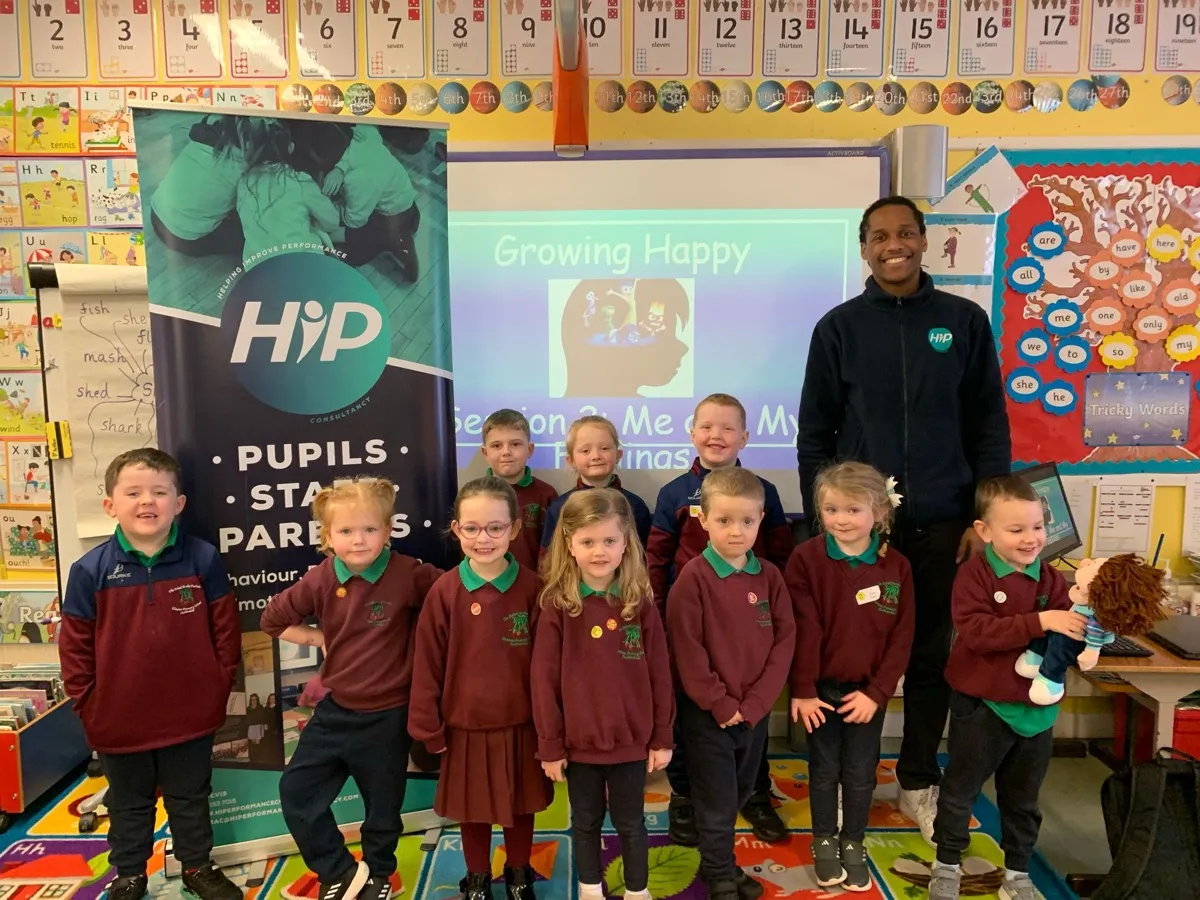
For live support, HIP Psychology's P4-P7 online anti-bullying workshop gives children clear, age-appropriate guidance about bullying, conflict and help-seeking. Schools planning November can also use the Anti-Bullying Week 2026 guide.