What power imbalance means
A power imbalance exists when one pupil or group has an advantage that makes it difficult for another pupil to stop, avoid or respond to harmful behaviour. The advantage may be obvious, such as size or age, or less visible, such as popularity, confidence or access to information.
Power should be considered alongside behaviour, repetition or the potential for repetition, impact and the current regional definition. It is one part of understanding the situation, not a score that children have to calculate before asking for help.
Power can take several forms
Social power can come from deciding who belongs in a group. Informational power can come from holding a screenshot, secret or embarrassing image. Digital power can come from managing a group chat or anonymous account. Institutional or age-related power may appear when an older pupil knows routines that a younger pupil does not.
A group can create power even when no individual pupil appears dominant. Laughing, forwarding, staying silent under pressure or repeatedly surrounding someone can make the behaviour much harder to challenge.
Power can change between situations
Two pupils may seem evenly matched in class but not online, on transport or inside a friendship group. A confident child may still be vulnerable when private information is shared. A pupil who has harmed someone in one setting may experience harm in another.
Avoid assigning permanent labels such as powerful and powerless. Review the specific situation, setting, audience and options available to each pupil. This keeps the focus on behaviour, safety and what needs to change.
Questions that reveal power without blaming the pupil
Ask who can influence the group, what happens if someone says stop, whether the pupil can leave safely, who controls the online space and what the pupil fears might happen after reporting. Ask what support would make the next part of the day feel safer.
Do not ask why the pupil did not stand up for themselves. Freezing, laughing along, staying close to a group or remaining silent can be attempts to reduce risk. Responsibility for stopping harmful behaviour remains with adults and the pupils using that power.
Power helps distinguish bullying from conflict
In an ordinary conflict, pupils may have a more balanced ability to disagree, leave, seek support or influence what happens next. In bullying, an advantage can make one pupil's options much narrower, especially when behaviour is repeated or could be repeated.
This is not a reason to dismiss conflict or one-off harm. Adults should respond to what happened while deciding which process fits. Clear language reduces both missed bullying and the pressure to call every difficult peer interaction bullying before help is available.
How to explain power to primary pupils
Use fictional examples that children can compare. One pupil may control a game every lunchtime, several pupils may repeatedly exclude the same child, or someone may threaten to share a private screenshot. Ask what makes it difficult for the pupil to stop the situation alone.
Then identify safe adult and peer actions. Pupils can refuse to join in, check privately, keep evidence private and tell a trusted adult. They should never be told that courage means confronting someone who has more influence or control.
Match the response to the imbalance
Separate listening is usually safer at the beginning. Put immediate support in place, record the specific behaviour and review information across relevant settings. Consider whether group dynamics, online access, supervision or a threat of retaliation needs direct action.
Restorative or shared work should not be automatic. Check safety, willingness and whether one pupil may feel pressured to agree. Follow-up should confirm that the power has not simply shifted into a less visible form.
Teach children to use power for good
Primary pupils can explore fictional examples of social, physical, informational and online power. Ask which safe choices are available: not joining in, inviting someone into an activity, keeping evidence private, checking on a peer or telling a trusted adult.
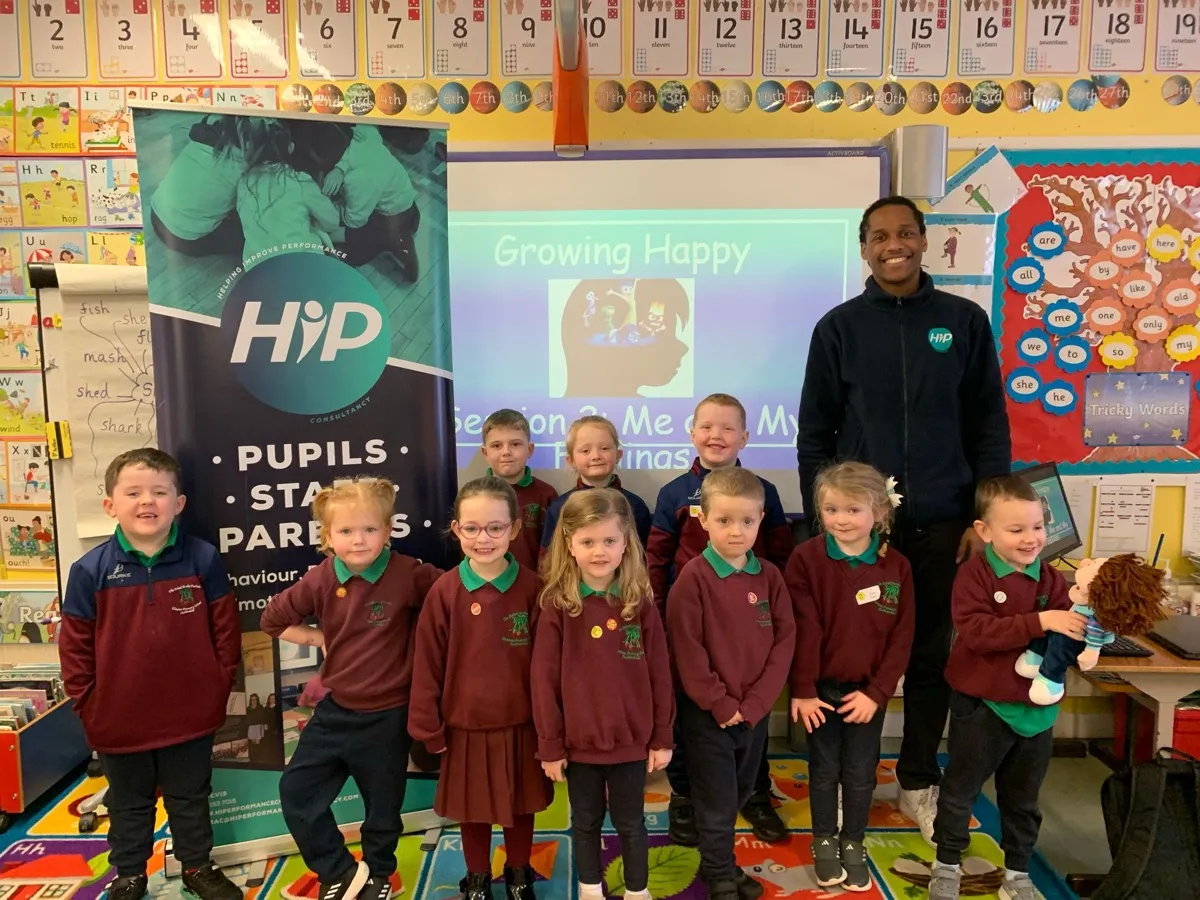
HIP Psychology’s live online P4-P7 workshop helps children understand power, bullying, conflict and help-seeking in age-appropriate language. Pupils do not have to confront someone or solve a dangerous situation alone.