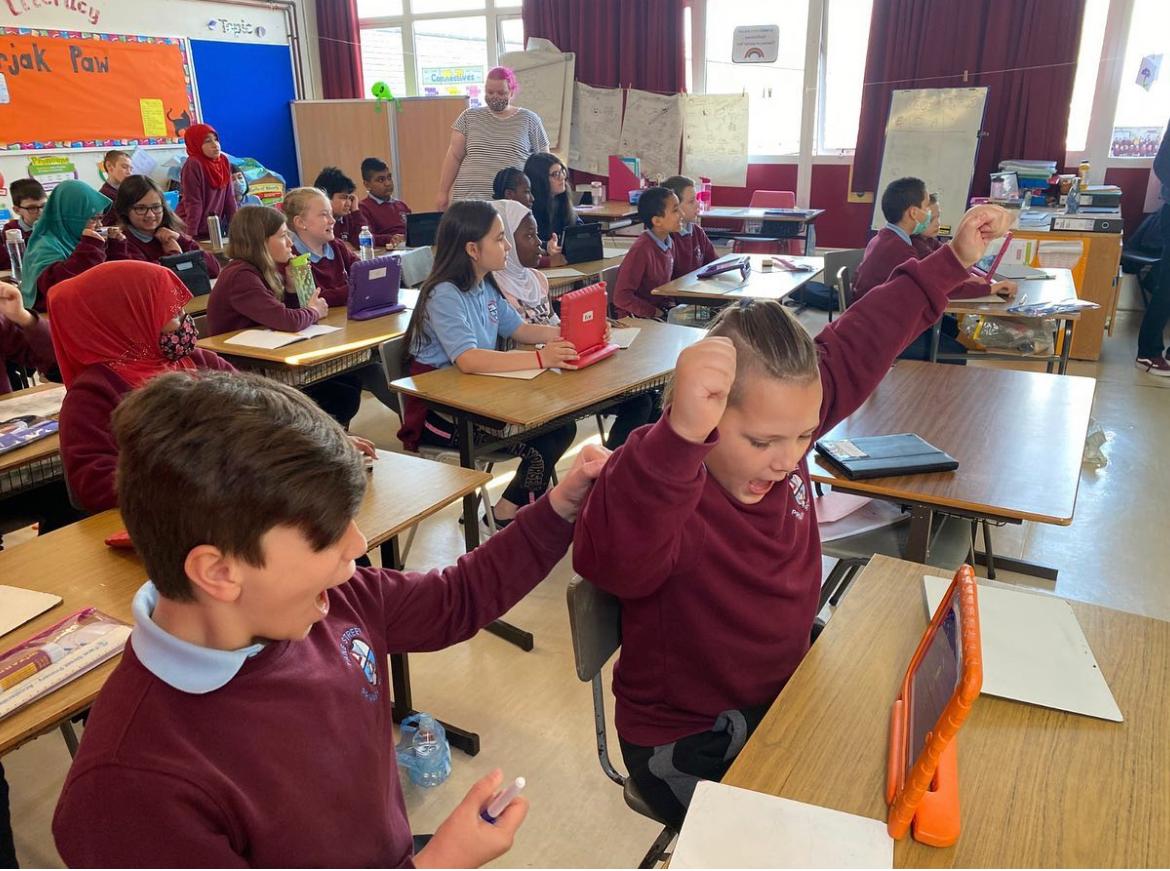
Build inclusive routines
Use predictable starts, mixed small-group tasks and clear transitions so pupils are not left to negotiate every social moment alone. Activities should give pupils different ways to participate rather than rewarding the loudest or most confident voices.
Staff can watch for repeated isolation, sudden friendship changes and pupils who are regularly excluded from informal spaces without making assumptions about the cause.
Teach language for joining in and speaking up
Practise simple sentences pupils can use: Can I join you?, That is not okay, I think we should get help, and I noticed someone is being left out. Role-play should stay fictional and give pupils more than one safe choice.
Older pupils can explore the pressure to stay silent, protect a friendship group or avoid being called a tell-tale. The goal is to make help-seeking feel possible without asking pupils to become investigators.
Use low-pressure check-ins
Short tutor-time or class check-ins can ask what is helping pupils feel connected, where they feel uncertain and which adults are easiest to approach. Keep the format proportionate and provide a private route for individual concerns.
Use themes from the check-ins to adjust seating, supervision, transition support or pastoral conversations before problems become entrenched.
Connect belonging to the wider plan
Belonging work is part of prevention, but it does not replace a clear response to bullying behaviour. Link class activities to the school reporting route, staff briefing and pupil voice process.
The primary activities guide and post-primary activities guide offer age-specific follow-up ideas.