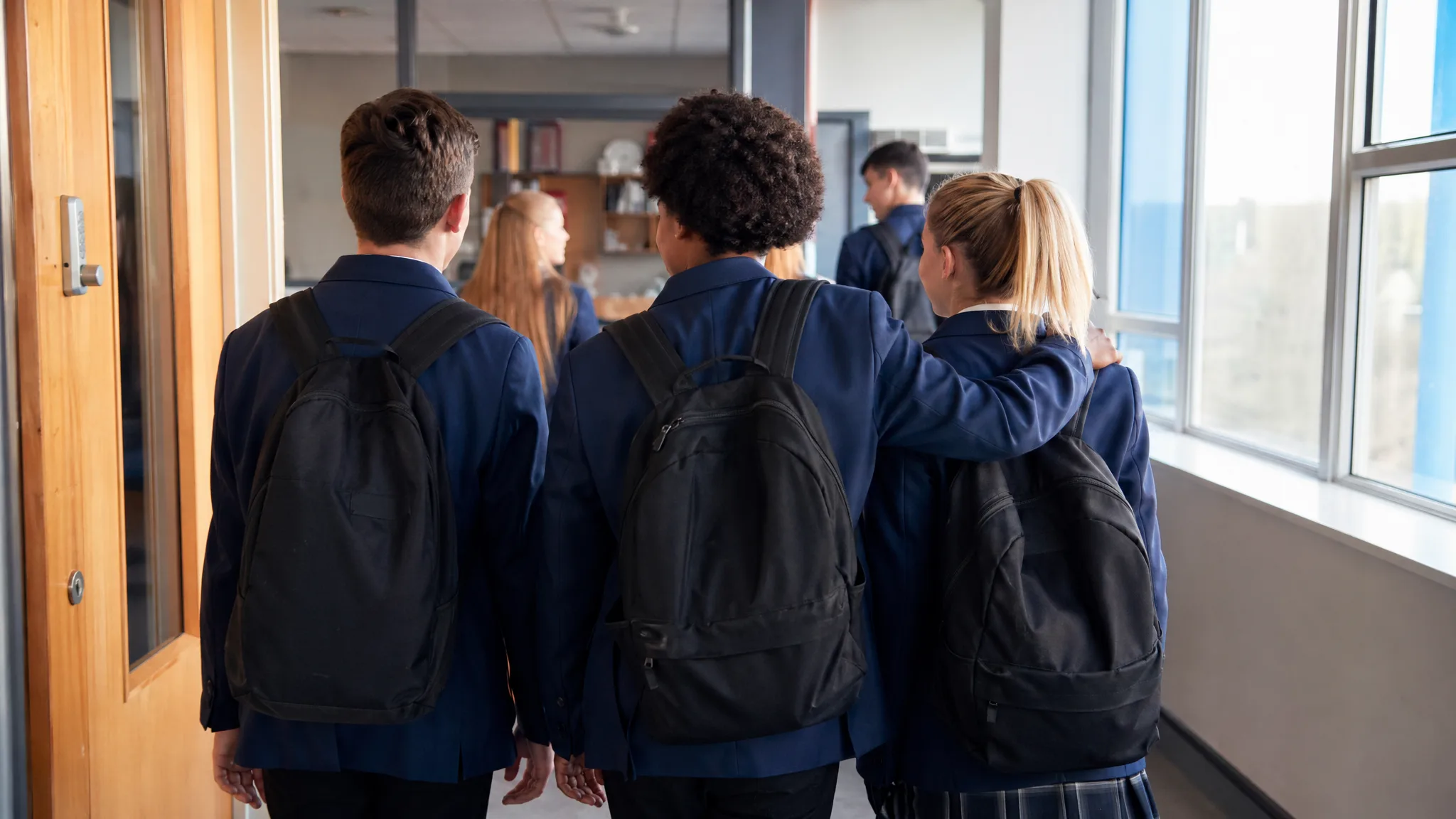
What cyberbullying can look like in school life
Cyberbullying can include repeated harmful messages, exclusion from group chats, sharing humiliating screenshots, pressure around images, anonymous accounts, rumour spreading and targeted comments that follow a pupil into school.
Schools need age-appropriate language that recognises how quickly online behaviour can affect attendance, learning, friendship groups and wellbeing.
Group chats, screenshots and bystander choices
Many pupils are not the person posting the harmful message, but they may still be part of the audience that allows it to spread. Lessons should help pupils understand forwarding, saving, reacting and staying silent as choices that can increase or reduce harm.
Useful discussion stays practical: what should a pupil save, who should they tell, when should they leave a chat, and how can they support someone without making the situation worse?
School response and reporting routes
Cyberbullying incidents need clear reporting routes, calm evidence handling and consistent follow-up. Staff should know how to record concerns, when safeguarding routes may be needed, and how to avoid asking pupils to manage complex online conflict alone.
For Anti-Bullying Week 2026, schools can link cyberbullying lessons to the Break the Silence theme by focusing on trusted adults, early help and safe reporting.
Live workshop and resources
HIP Psychology's P4-P7 live online workshop includes age-appropriate discussion of cyberbullying, reporting and support-seeking.
See the live online workshop or register for the reviewed P4-P7 resource.