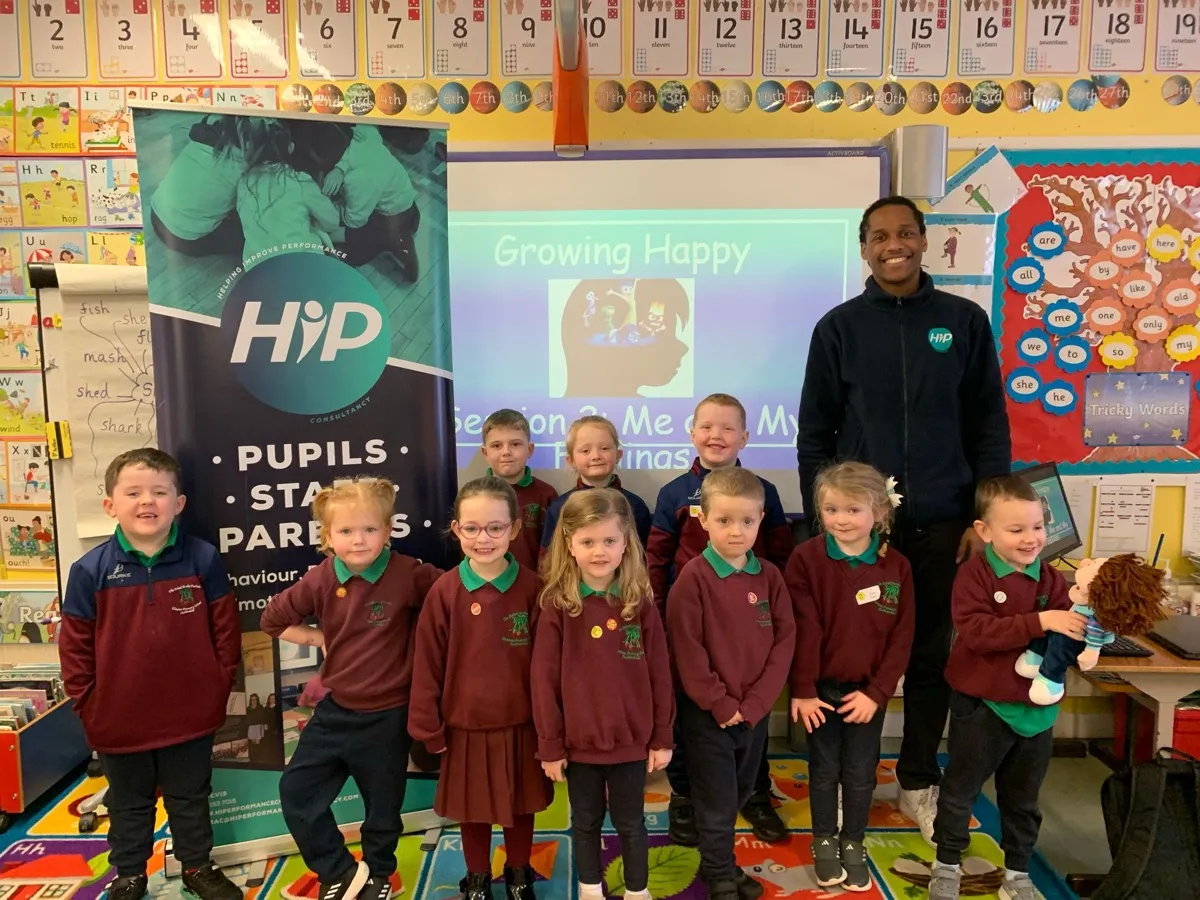
Primary school prevention
Primary prevention should use age-appropriate language around kindness, friendship, exclusion, telling a trusted adult and safe online behaviour.
Lessons should be concrete and calm: pupils can sort examples, practise help-seeking sentences, name trusted adults and learn the difference between a one-off disagreement and repeated harmful behaviour.
Intervention and recording
Schools need clear steps for listening to children, recording concerns, communicating with families and checking whether behaviour has stopped.
Primary settings also need careful follow-up because younger children may not have the language to explain patterns clearly. Staff consistency helps children feel safe enough to report early.
Parent communication
Parent letters should avoid jargon and explain what the school is doing, what parents can do at home and how follow-up will happen.
The ROI Anti-Bullying Policy Checklist gives leaders a practical way to review prevention, intervention and parent communication before or after a campaign week.